
Mobility Assistance and Fall Prevention in Tamarac
An aide can steady the journeys and change what is underfoot. What an aide cannot do is assess a gait or prescribe an exercise, and knowing that difference keeps expectations honest.
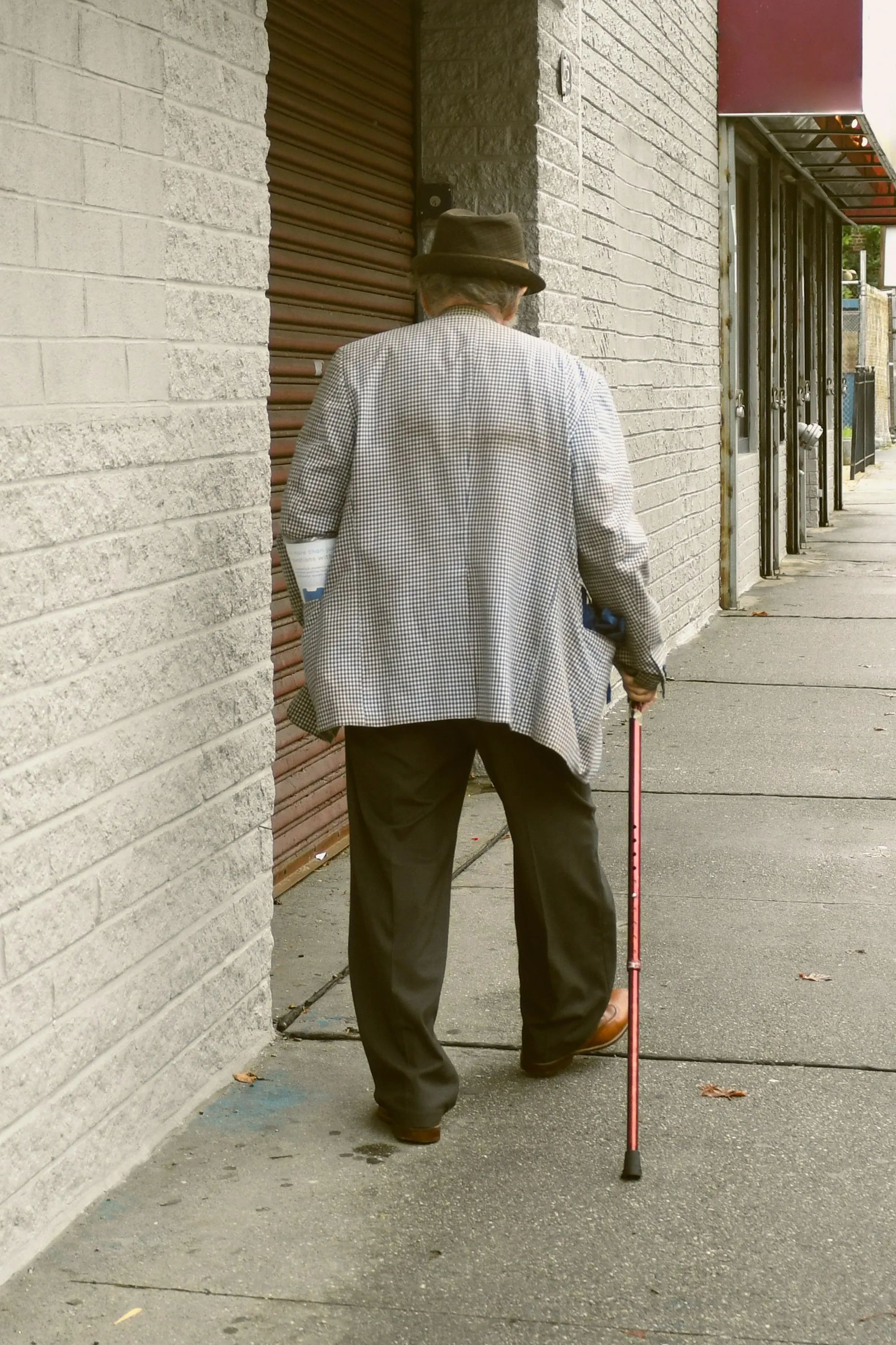
Help, not therapy
There are two separate jobs here and they get confused constantly. One is practical — steadying somebody, using the frame properly, clearing the route. The other is clinical — judging why the walking has changed and prescribing something for it.
Aides do the first. Physical therapists do the second, and if the walking has deteriorated rather than simply become harder work, that is who should be looking.
What an aide brings instead is repetition. Somebody in the house several times a week notices a new hand on the wall long before a six-month review does.
Mobility help rarely stands alone; it usually rides inside a visit already booked for washing or meals.
What that looks like
The same handful of things, done every visit rather than once at the start.
The journeys that keep going wrong
Bedroom to bathroom in the dark, the trip through to put a kettle on, and the path from the door down to the drive.
Equipment used properly
A frame set to the right height, a stick held in the hand that actually helps, brakes on before anybody moves.
A look round every room
Rugs that travel, flexes across a doorway, a raised threshold, a landing nobody can see on, a chair set lower than the hips want.
Changes written down
Stairs taking longer, a palm against the wall that was not there last month, less appetite for leaving the house.
The same route each time
People go over on routes they are not sure of, so the route is kept the same deliberately.
Start with when the near misses happen
They cluster at particular hours, and that is the cheapest thing to fix.
Say when — (754) 351-4153